
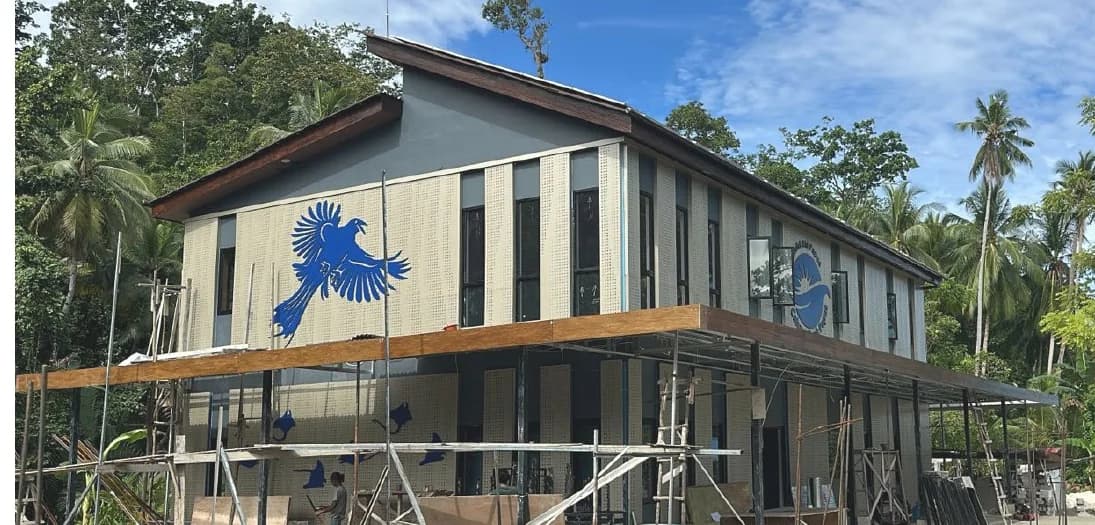
Completed
Raja Ampat, Indonesia
01 / 05
A conservation school opens its doors
The Child Aid Blue Ocean School reached completion and opened for classes, expanding capacity with modern learning space powered entirely by on-site solar energy.
2025 annual report
Across borders and disciplines, community visions became classrooms, clinics, training centers, and places to belong.
A note from leadership
“More communities were served, more volunteers stepped forward, and more local teams took the lead in shaping projects that uplift and empower.”
Across Rwanda, Indonesia, East Africa, and beyond, classrooms, clinics, community centers, and gathering spaces advanced through partnerships with universities, local organizations, builders, and in-country professionals.
The strongest measure of growth was not reach alone. It was the depth of collaboration across cultures, disciplines, and generations—and the local leadership carrying that work into 2026.
Daniel Wiens President
The JI model
A project moves from a community idea to an operating place through a chain of relationships. Each handoff keeps local knowledge at the center.
Step 1
Listen for needs identified by community-led organizations.
Step 2
Match the project with the right professional and university talent.
Step 3
Bring in-country professionals into the design conversation early.
Step 4
Turn the shared brief into safe, sustainable design documents.
Step 5
Stay alongside local builders as the work moves to site.
Step 6
Hand the finished place back to the people who shaped it.
Inspire and equip the next generation of humanitarian designers.
Connect volunteer talent with critical needs around the world.
Design safe, sustainable, and locally appropriate facilities.
The year in numbers
The report separates professional volunteers, university designers, project outcomes, and the people using completed places—showing both the scale of the network and where that effort landed.
The complete project year
The report follows work from completed design proposals, through projects gathering momentum, to buildings and partnerships taking shape on the ground.
01
Designs completed
Eight proposals in the report show what careful listening can become: therapy rooms, schools, water systems, community centers, and places to learn a livelihood.
Nigeria
01An inclusive learning village combining rehabilitation, shelter, vocational training, farming, sports, and the arts.
Rwanda
02A dedicated center for early intervention, physiotherapy, occupational therapy, play therapy, and speech therapy.
Indonesia
03The village's first desalination facility will support drinking water, bathrooms, showers, storage, and campus gray-water use.
Rwanda
04A child-friendly learning center, library, parent-training space, and community hub for families in Kigali.
Indonesia
05English and computer courses, a library, Wi-Fi, printing, and shared laptops bring practical resources to rural Bantul.
Uganda
06A nurturing campus supporting education, residential life, spiritual growth, and community outreach in Mubende.
Rwanda
07A multipurpose next phase of the Sunzu Village master plan, with construction beginning as the report closed.
Kenya
08An eco-conscious hospitality and experiential-learning center rooted in cultural preservation and youth opportunity.
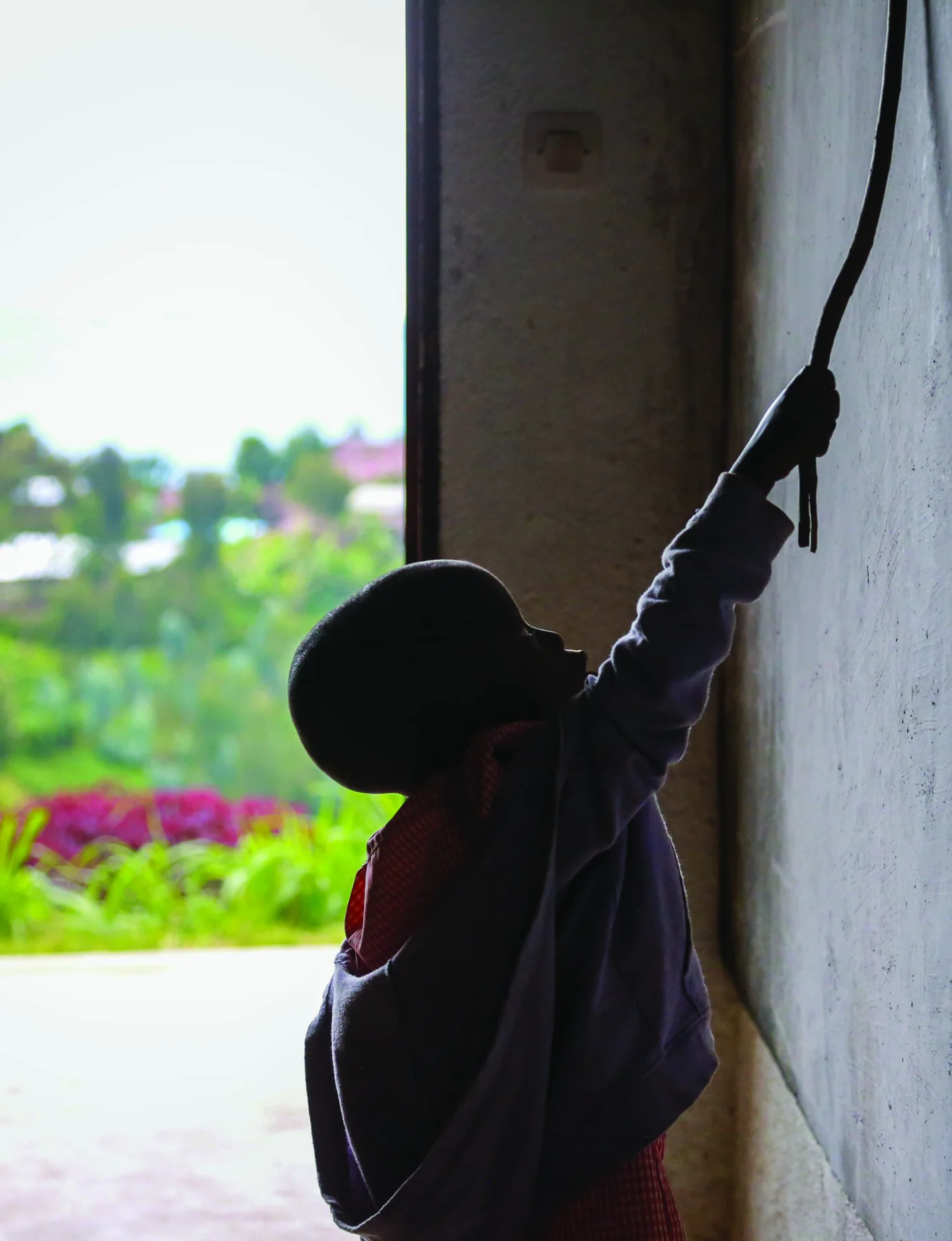
02
Upcoming + in process
Projects already moving through research, master planning, site preparation, and phased development extended the work across eight communities.
United States
01A property plan for affordable, screen-free summer care where children can spend time outdoors and families are never turned away.
Tanzania
02A vocational hub addressing youth and women's unemployment through training, resources, and pathways to economic participation.
Cameroon
03An agriculture hub designed to restore topsoil, strengthen food security, and support resilient community livelihoods.
Rwanda
04A trauma-informed place for education, creative expression, healing, and opportunity grounded in the center's history of care.
Indonesia
05A water plant, gymatorium, dormitories for up to 80 students, and cultural center extend the Raja Ampat campus.
India
06A combined health and community facility supporting people affected by leprosy and the stigma surrounding it.
Indonesia
07Resilient new infrastructure for creative, nature-based education in a region shaped by seasonal weather.
Cambodia
08A phased campus for education, skills training, and vocational opportunity led by and for people with visual impairments.
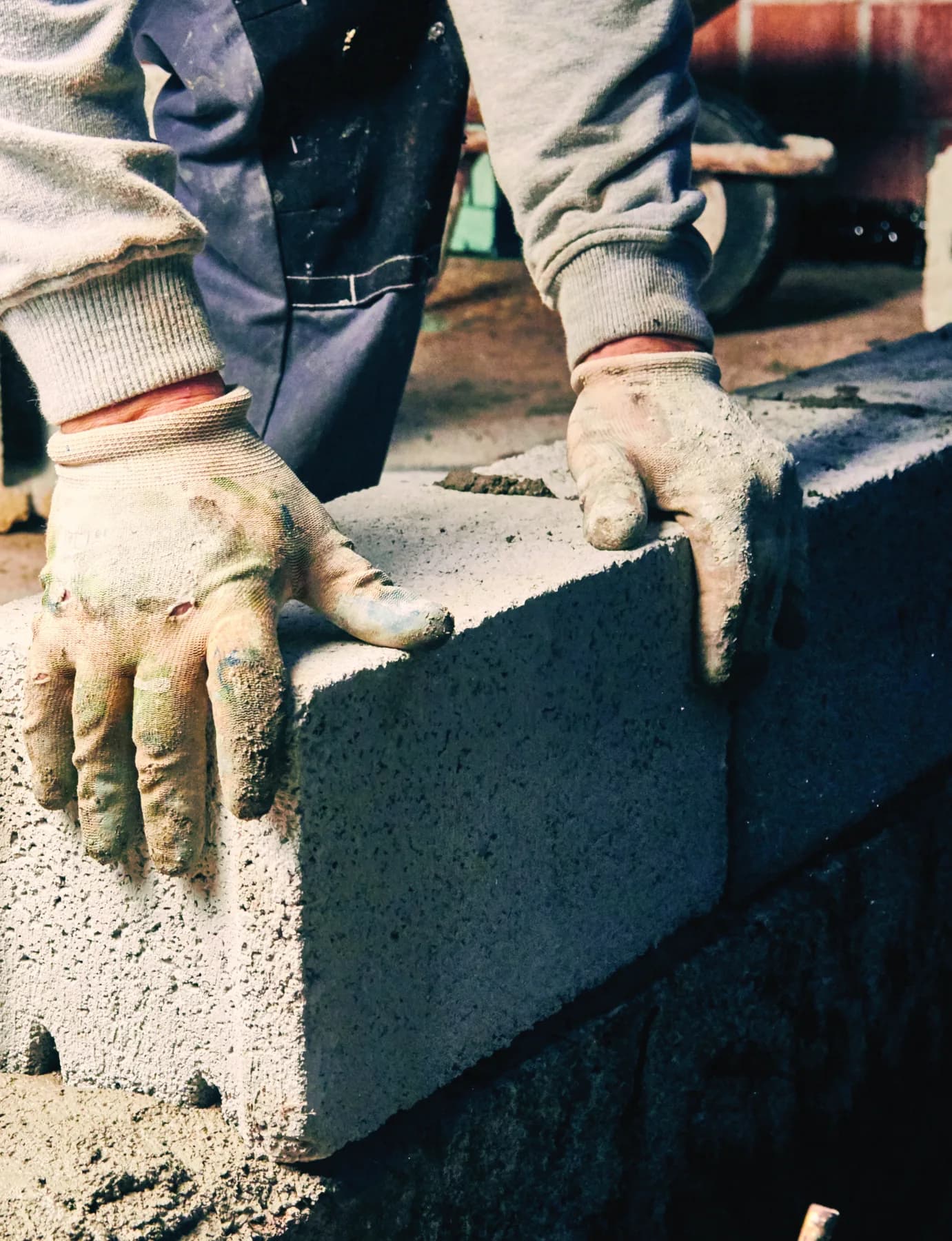
03
Building structures + networks
Construction, closeout, and long-term relationships carried earlier design work forward. Nine updates show the value of staying involved beyond the drawing set.
Indonesia
01The solar-powered school opened for classes while work continued on water, landscaping, and dormitory infrastructure.
Malawi
02A long partnership expanded from solar-powered teacher housing into student residences supporting reliable access to education.
Indonesia
03Students, farmers, local builders, and bamboo partners designed and built a shared place for learning and exchange.
Cambodia
04Grading, fencing, and retaining walls prepared the site for a campus that will develop in deliberate phases.
Rwanda
05A second-phase guest house creates accommodation for visitors and volunteers supporting a women-led artisan organization.
Rwanda
06New production, trauma-counseling, and community spaces strengthen a campus supporting more than 200 women.
Rwanda
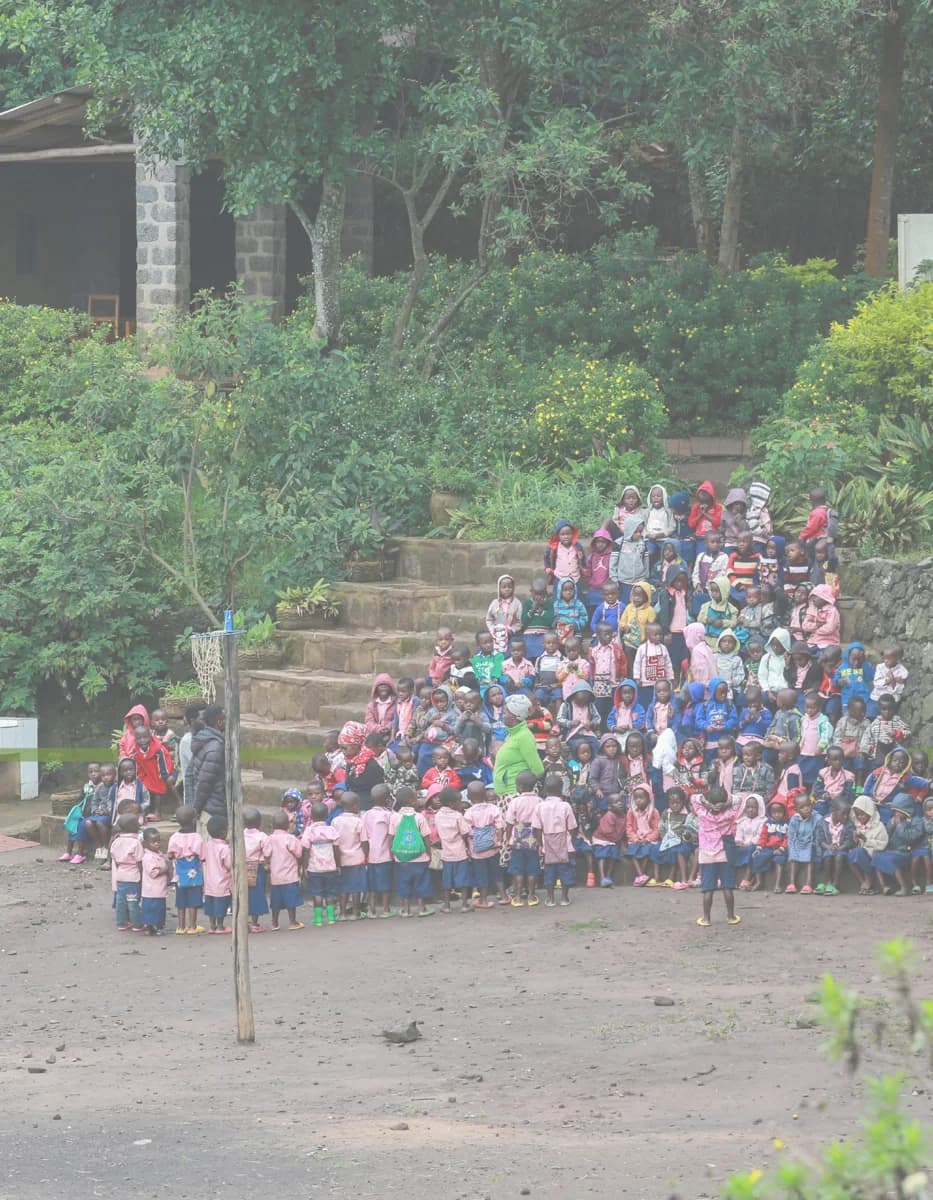
07A completed Pre-K through Primary 6 school also provides flexible space for youth programs and community gatherings.
Nigeria
08Construction advanced on an inclusive learning and vocational environment with farming, sports, arts, and clean-water infrastructure.
Nigeria
09Women are building the permanent training campus while learning sustainable construction skills they can carry into paid work.
Five stories from the year
Scroll through a small selection of the partnerships, construction milestones, and completed spaces behind the numbers.
Story 1 of 5: A conservation school opens its doors
Completed
Raja Ampat, Indonesia
Completed
Raja Ampat, Indonesia
01 / 05
The Child Aid Blue Ocean School reached completion and opened for classes, expanding capacity with modern learning space powered entirely by on-site solar energy.
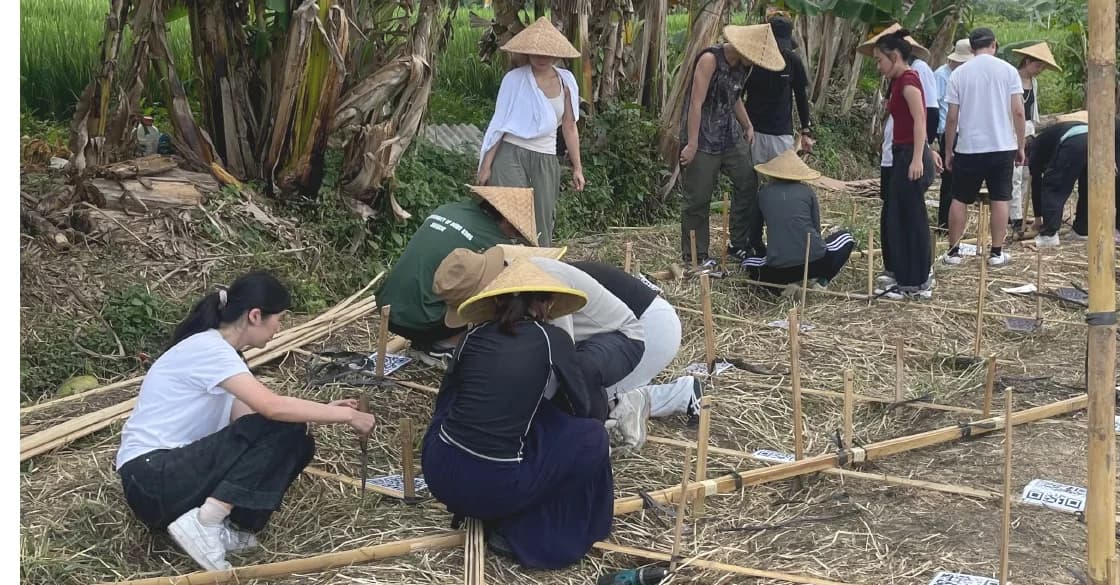
Built together
Subak Ketapang, Bali
02 / 05
Students, local builders, and partners worked side by side in bamboo to create a gathering place for farmers—and a living classroom for sustainable construction.
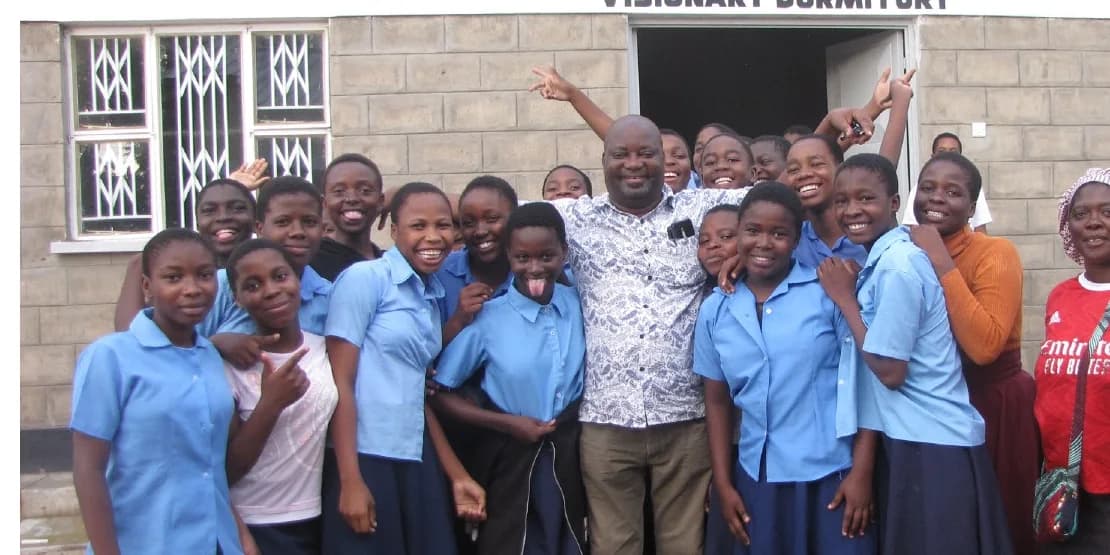
In construction
Malawi
03 / 05
A long-running partnership with Malawi Children's Village expanded from solar-powered teacher housing to student dormitories that support reliable access to education.
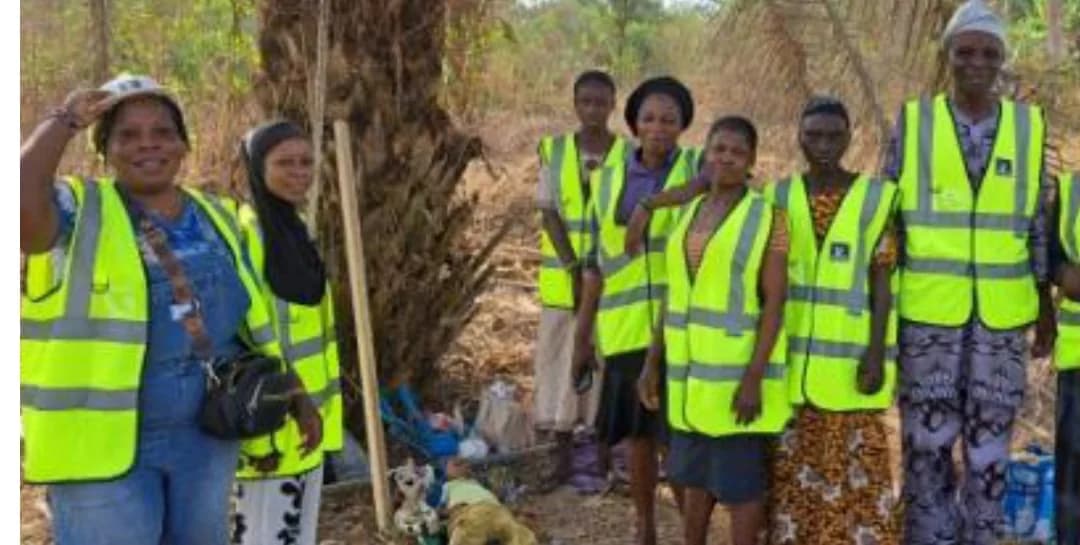
Skills in action
Nigeria
04 / 05
EcoBuild Her is creating a permanent training center where single mothers, widows, and vulnerable women learn sustainable construction by building the campus themselves.
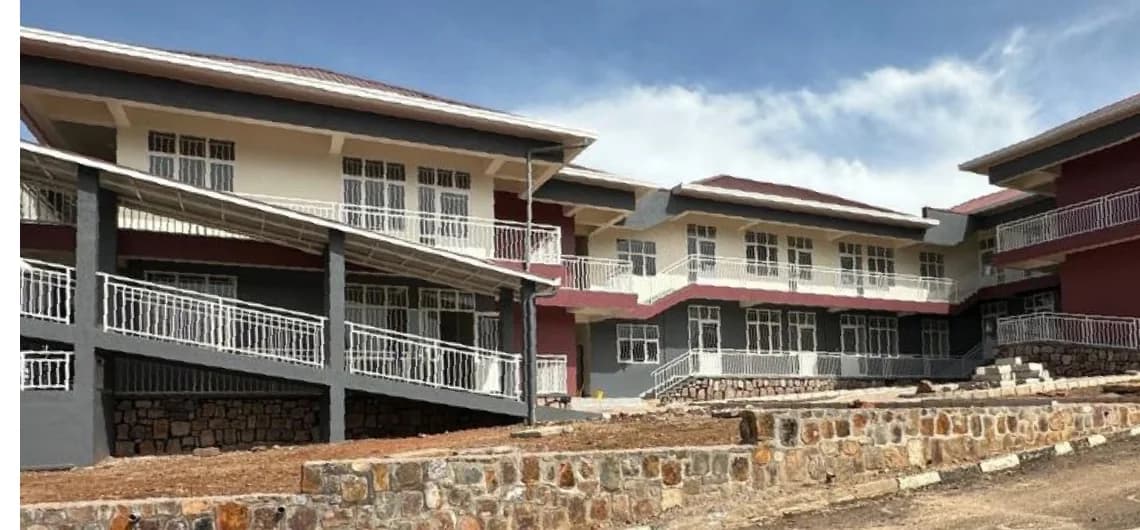
Completed
Kigali, Rwanda
05 / 05
Omega Ministries completed a Pre-K through Primary 6 school with classrooms and flexible spaces for lessons, youth programs, and community gatherings.
Places featured in the report
Each place represents a local organization leading the work, a community shaping the brief, and designers listening closely enough to support it.
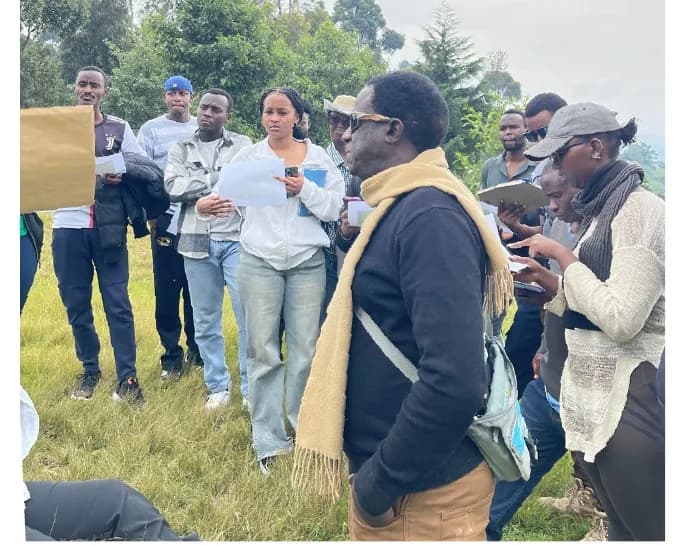
Beyond the buildings
A sustainable-design site tour with INES-Ruhengeri students connected classroom learning to construction, materials, and local impact at Sunzu Village.
Mentorship with Rwanda's SPRK Academy, California Baptist University's Missionary Week, and hands-on bamboo construction with Hong Kong University expanded the classroom across borders.
The people behind the work
Staff across three regions, two volunteer boards, professional designers, student teams, faculty, and local practitioners formed the human infrastructure behind every project.
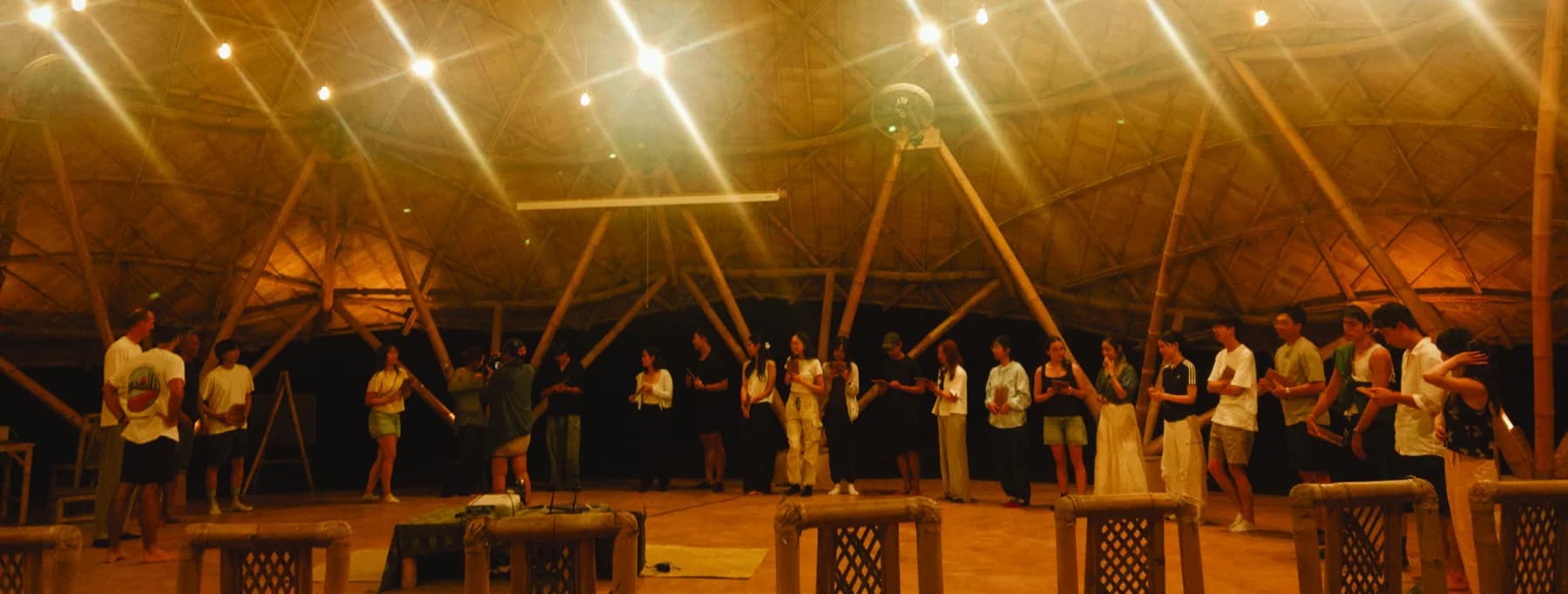
Collaboration across cultures, disciplines, and generations.
Volunteer designers + researchers
Financial snapshot
The report records $317,063 available during 2025 and $138,212 in expenditures through November 15. Payroll, project funding, and day-to-day operations carried the work from relationships into built outcomes.
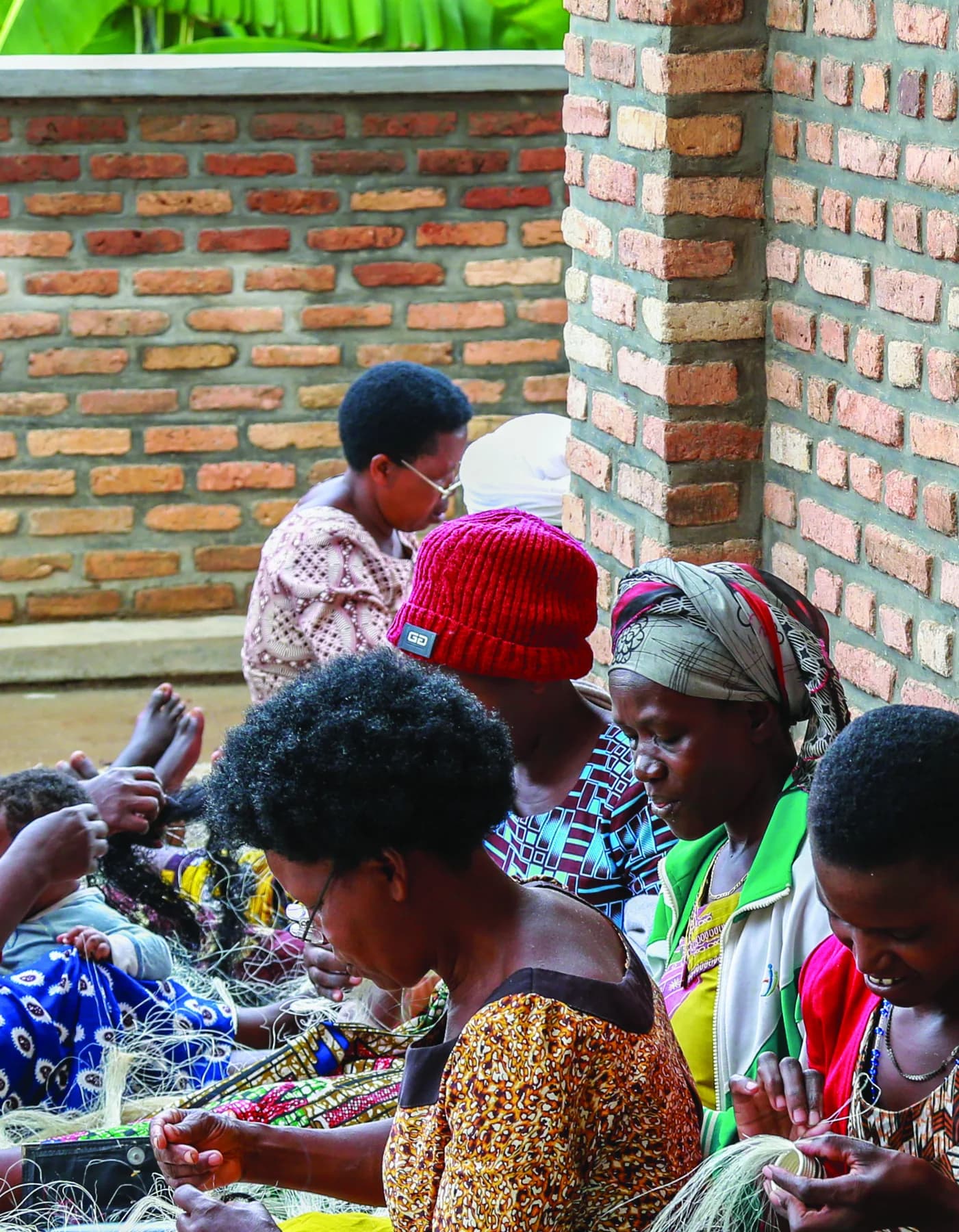
Every figure represents people carrying a project forward.
Resources available
$317,063
2025 expenditures
$138,212
Figures reflect transactions from January 1 through November 15, 2025.
View the full financial statementSupported by many
The annual report closes by recognizing the builders, design practices, universities, businesses, and individual supporters whose financial and professional contributions amplified every donated hour.
See every sponsor in the reportThe report ends with a question