The story
A protected place where recovery and practical life reconnect.
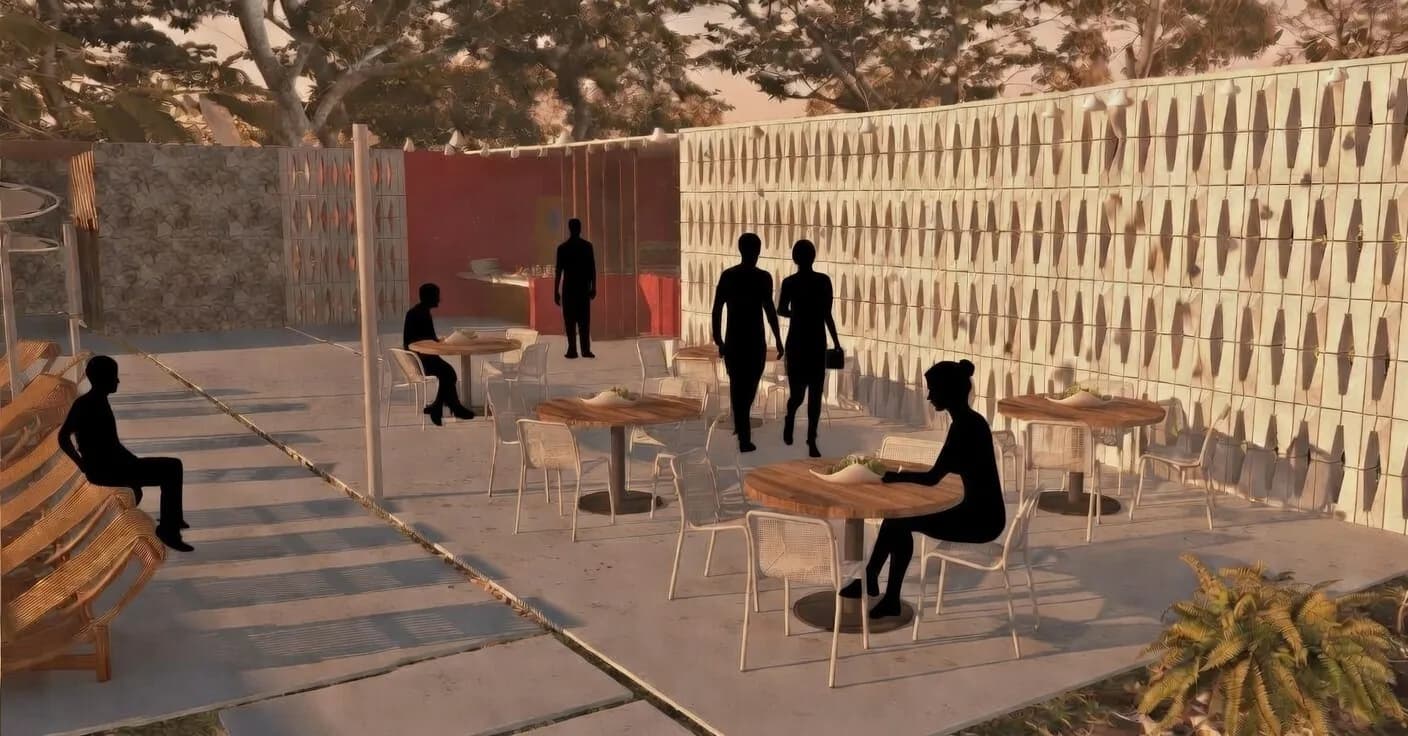
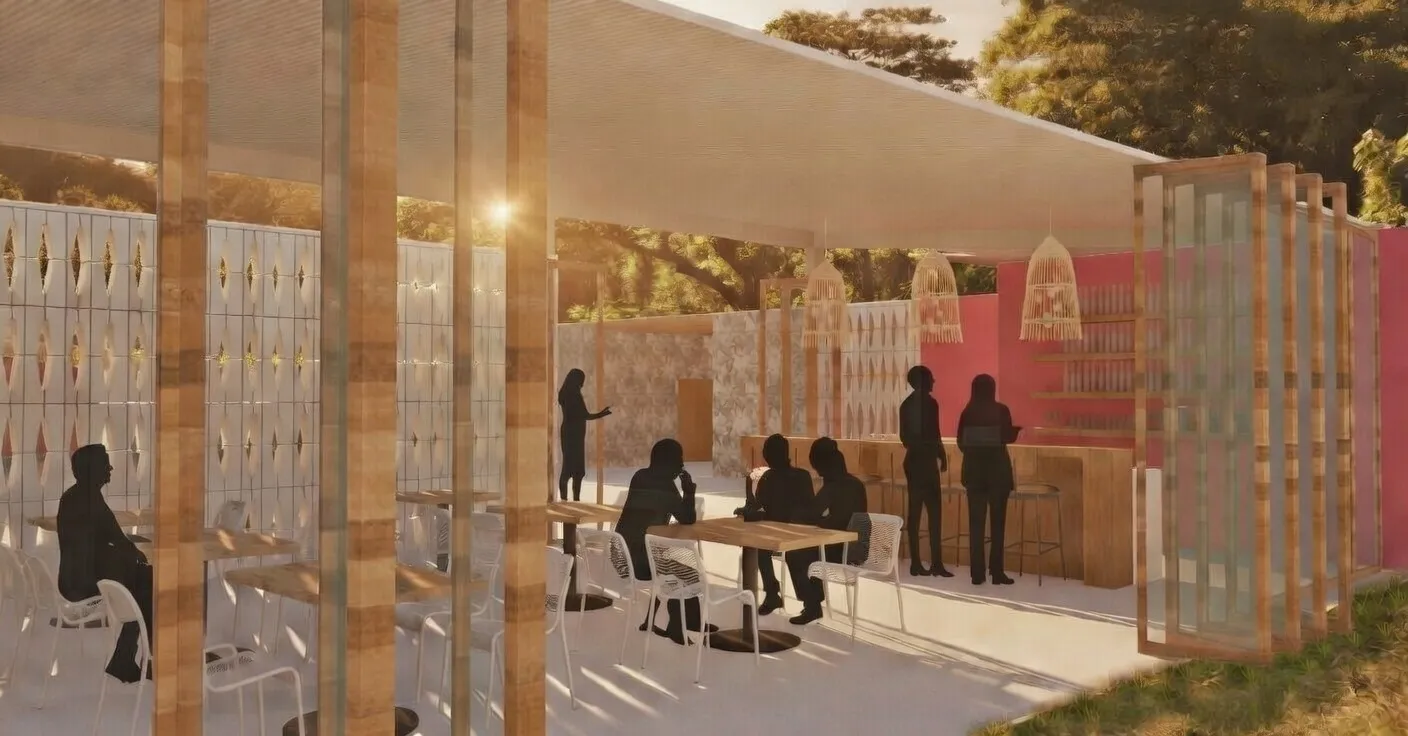
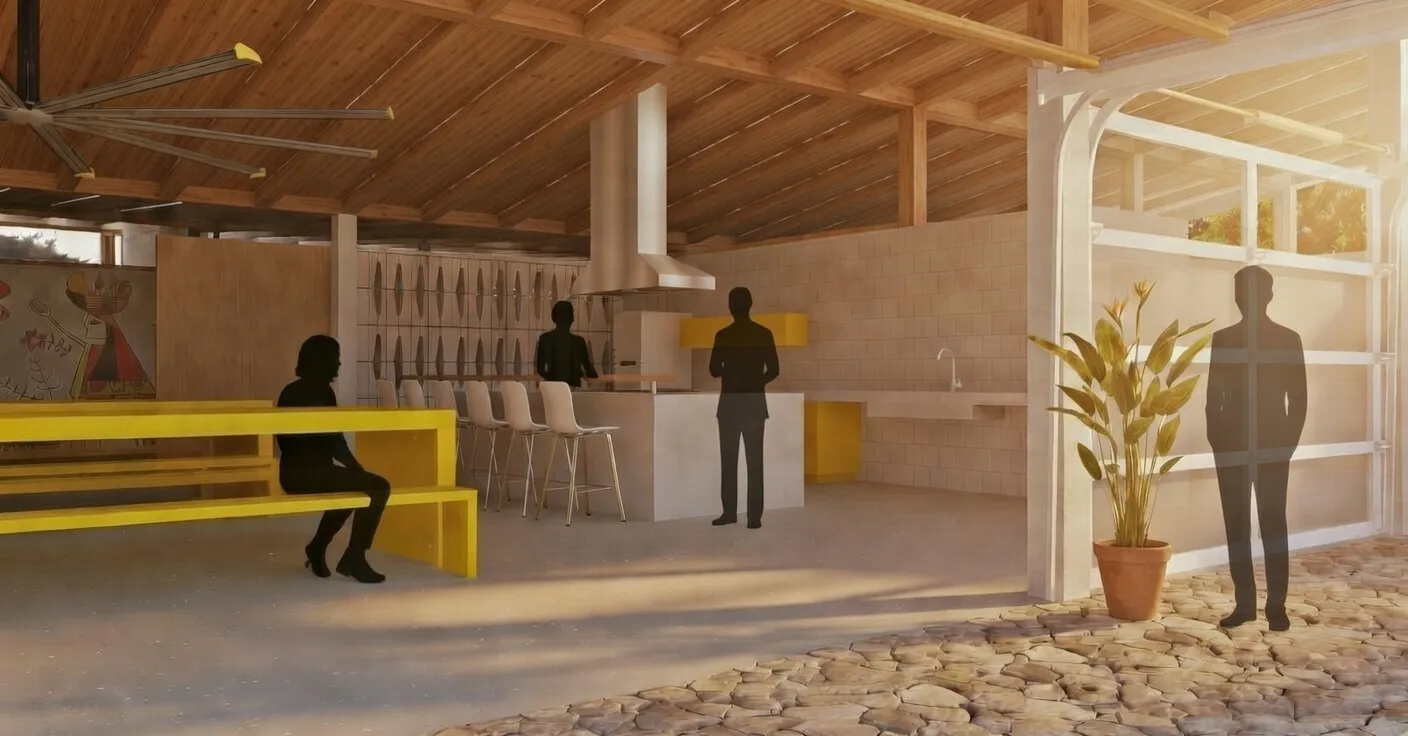
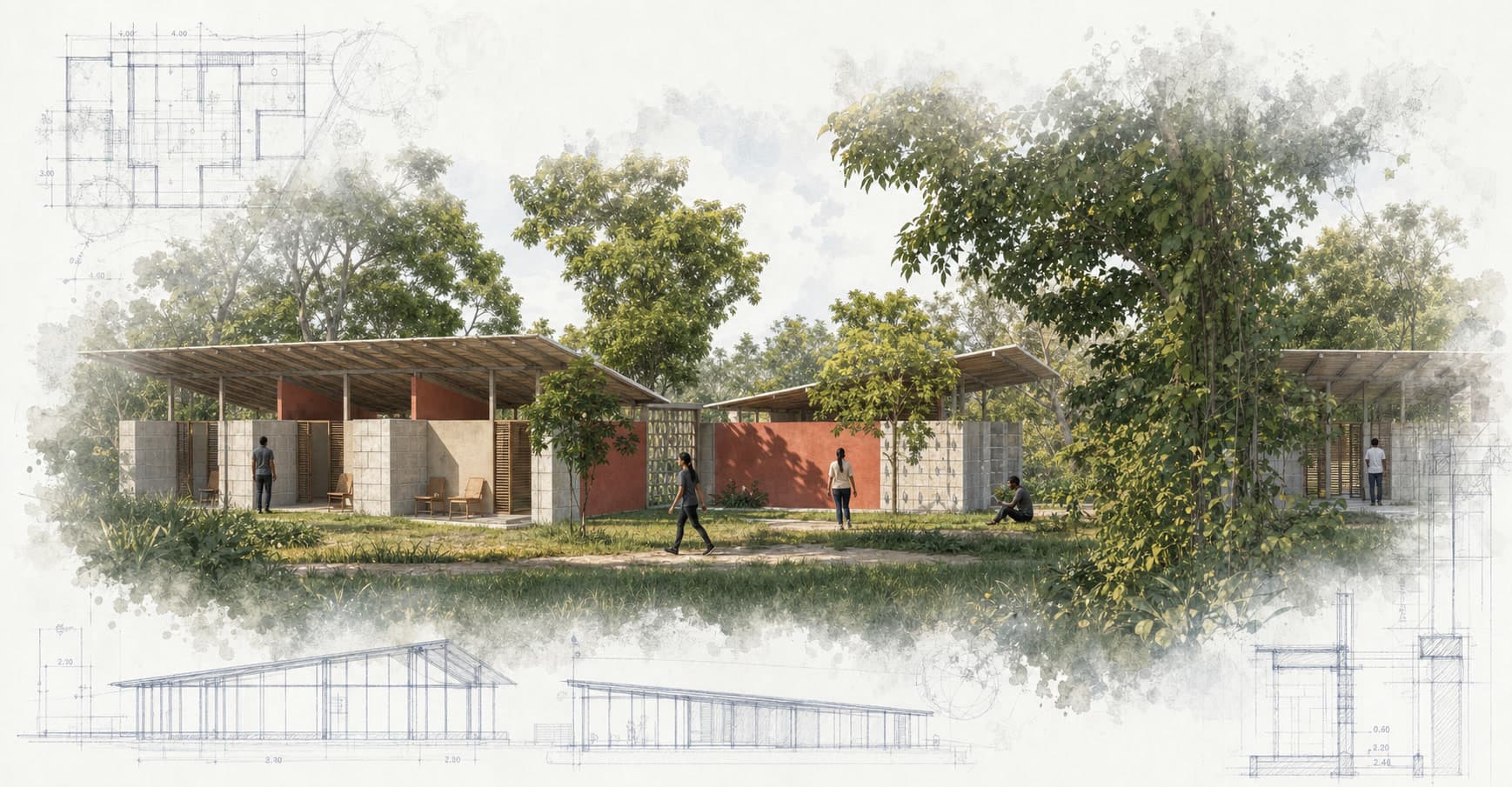
The Human Trafficking Rehabilitation and Eco Center in El Salvador was proposed as a secure, non-institutional setting for survivors rebuilding daily life. Private residential and counseling areas support safety and confidentiality, while shared kitchens, gardens, workshops, and vocational spaces allow residents to choose participation in ordinary, practical activities. The ecological program is not intended as therapeutic symbolism; food growing, water care, and low-impact construction can provide useful skills and reduce operating costs when led by the partner organization. Site planning must balance protected boundaries with light, air, landscape, and a sense of freedom inside.
Journeyman International and Amoveo Group developed the proposal as a rehabilitation and training campus. The project remains a proposal. Its trauma-informed aim is to create conditions for agency: residents can retreat, gather, learn, and plan next steps within a place that protects them without making security feel like another form of confinement.