Puspadi Library

Bali, Indonesia

Puspadi Library was built in Bungaya Village to address limited access to books, English learning, and shared educational space. Its story did not stop at literacy.

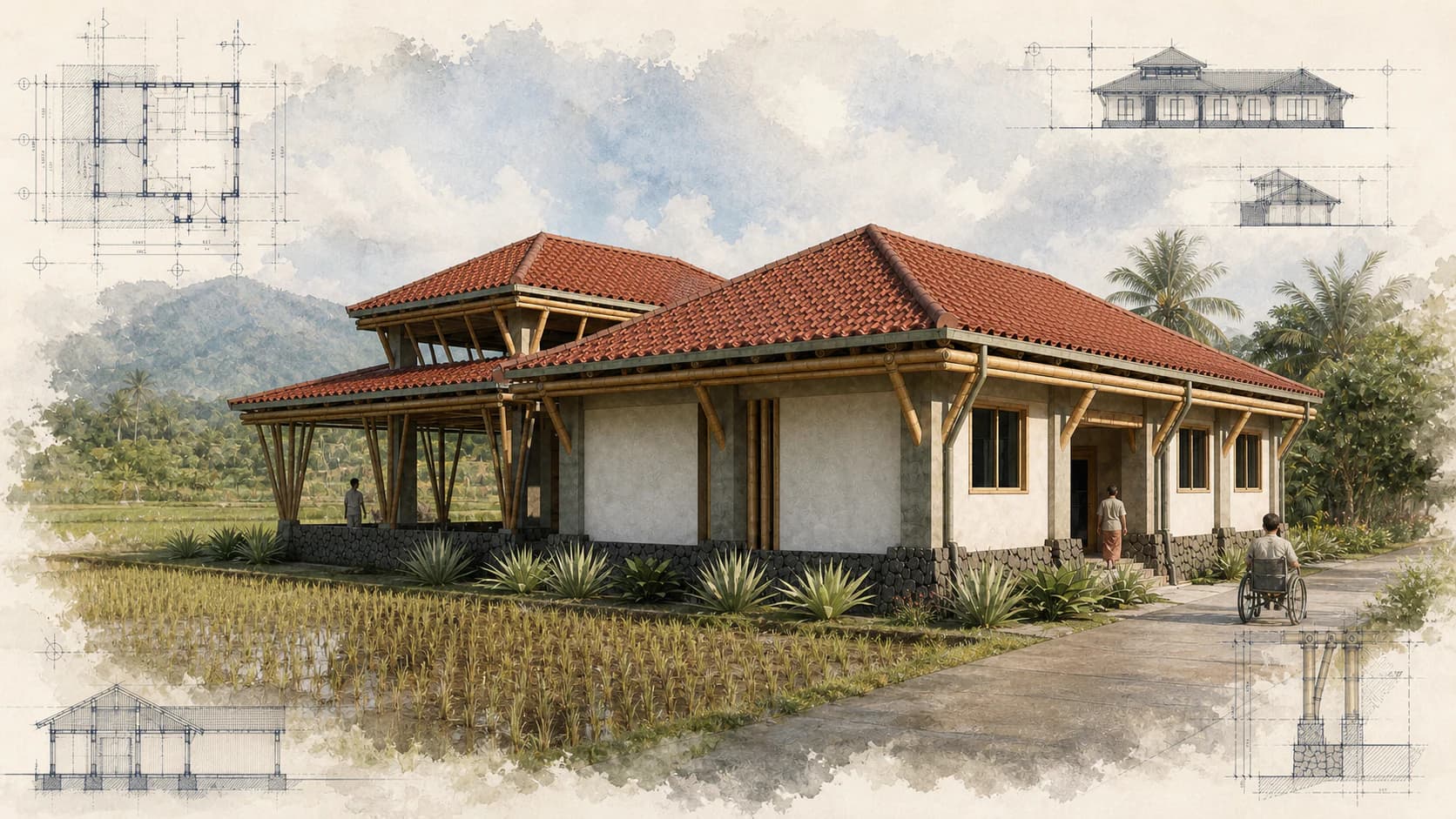
Sakti PUSPADI Library beside the rice fields in Bungaya, with terracotta roofs, bamboo verandas, an accessible path, and faint architectural drawings

The story

A village library that became a workshop and a safe house.
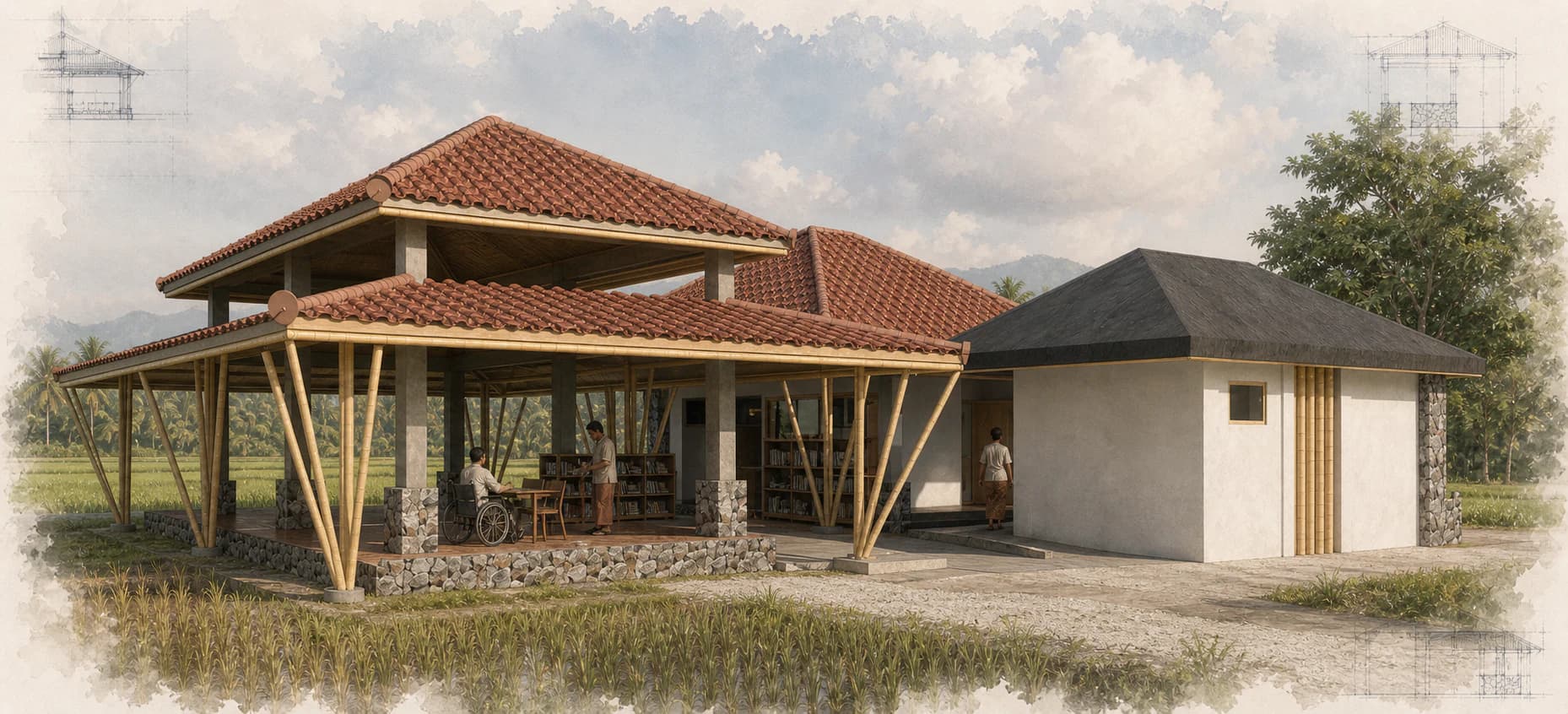
Architectural visualization of PUSPADI Library's open bale pavilion, bamboo structure, and step-free route beside the rice fields

Puspadi Library was built in Bungaya Village to address limited access to books, English learning, and shared educational space. Its story did not stop at literacy. The completed building became a wheelchair recycling and storage site, where Puspadi reports restoring roughly 45 to 50 chairs each year as part of a wider distribution program. During Mount Agung’s eruption, staff also used the library to shelter people with disabilities who could not evacuate safely with their households.

That combination of uses reveals why accessible, flexible civic buildings matter. Journeyman International’s design provided a community room capable of changing from reading and teaching to technical work, storage, meals, and temporary refuge. The library is completed and operating, with later improvements strengthening those roles. Its architectural value is not one dramatic form but useful capacity—a dignified place whose clear space, access, and community ownership allowed it to meet needs the original brief could not fully predict.
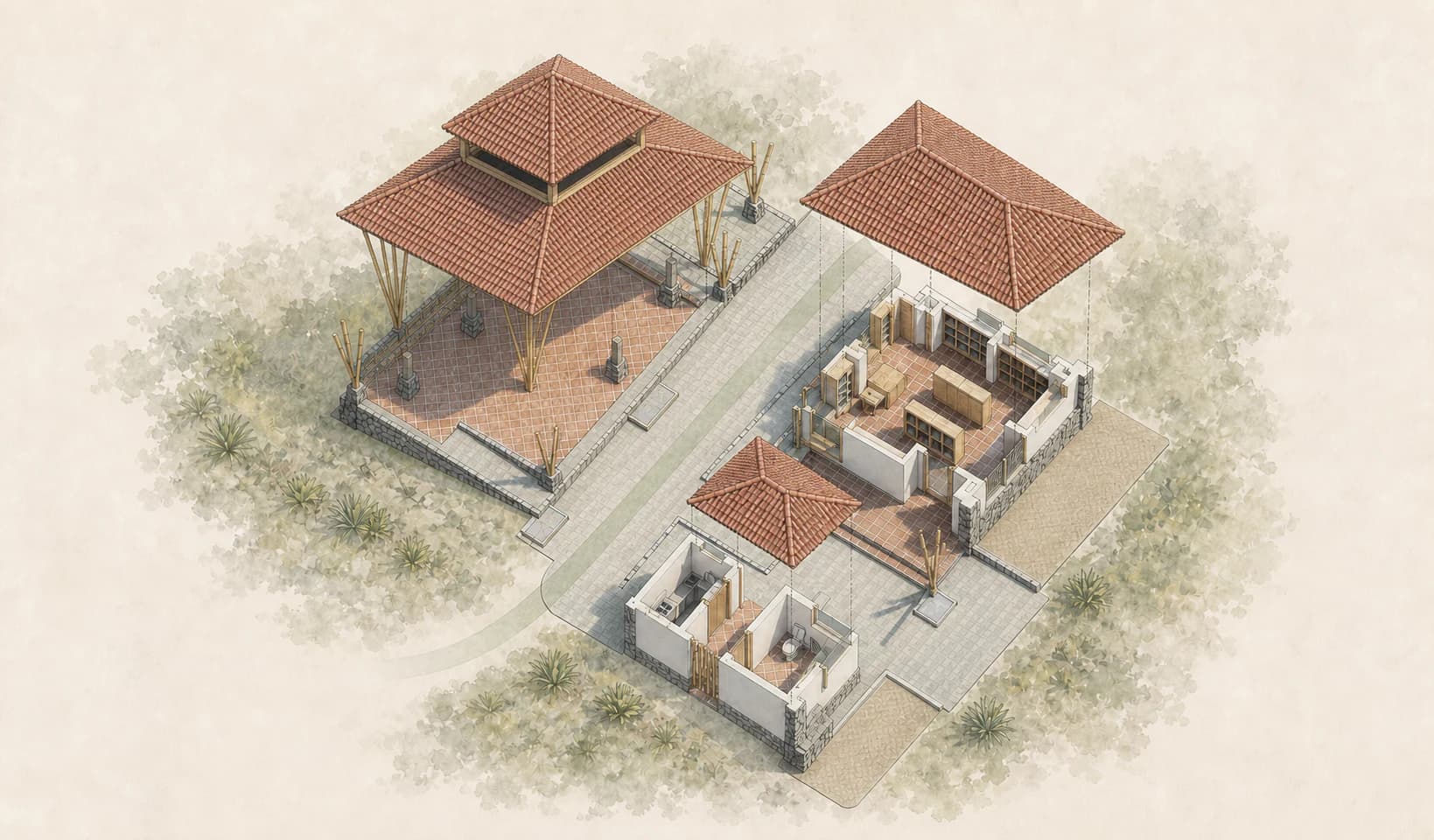
Roof-off axonometric showing how PUSPADI Library's open pavilion, enclosed library, service block, and accessible circulation connect
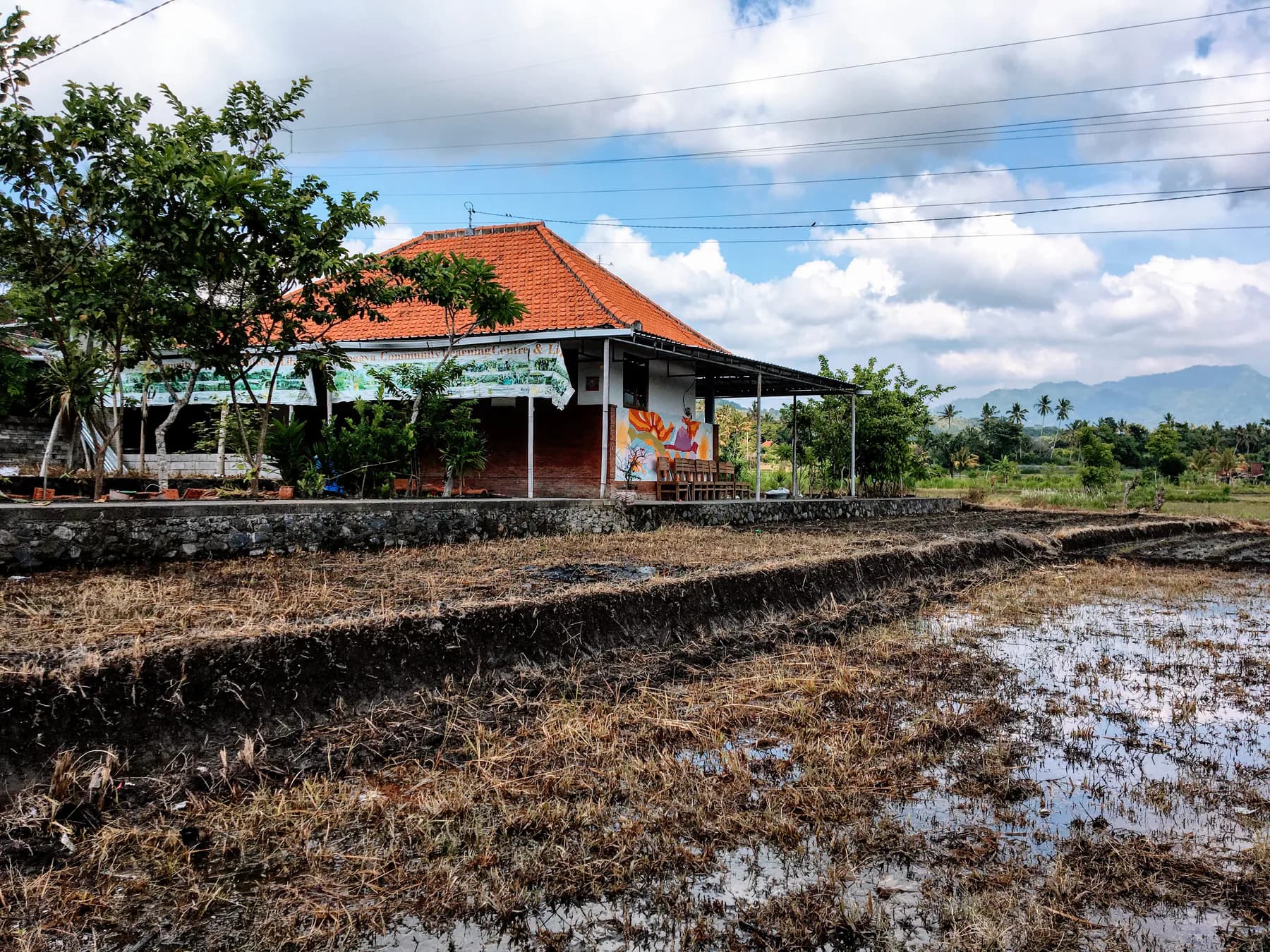
The completed PUSPADI Library and community pavilion at the edge of harvested rice fields in Bungaya, Bali
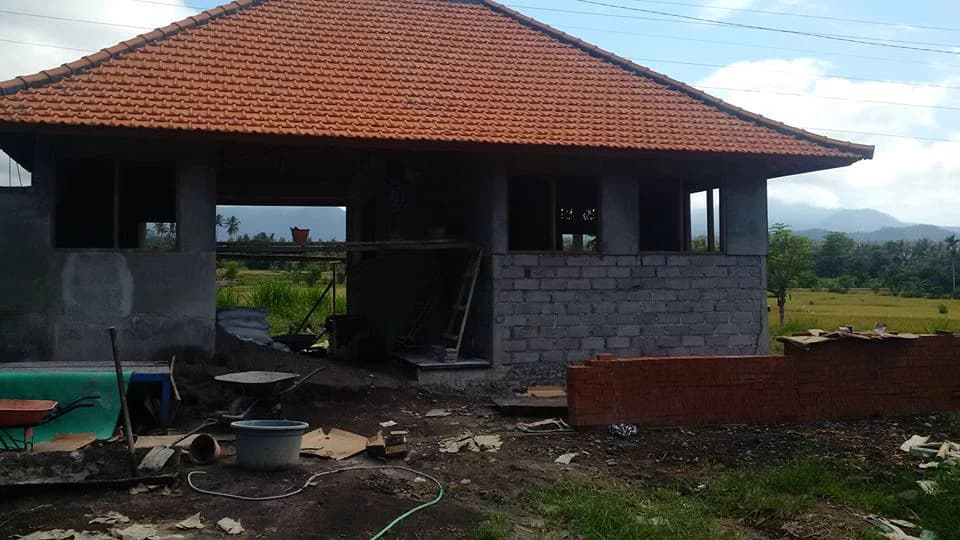
PUSPADI Library under construction, with the terracotta roof complete and masonry walls still being built

Project evolution

A library grew into a workshop and accessible refuge.

The original library and later resilience improvements are one continuing story. The completed building now supports literacy, wheelchair work, community programs, and emergency shelter.

  1. Project 15-50

    Community library

    A flexible, accessible learning place in Bungaya that also became a wheelchair recycling and distribution base.

  2. Project 16-68

    Resilience improvements

    Later work strengthened the operating library's accessibility, storage, sanitation, and ability to shelter people with disabilities during evacuation.