The story
Daylight organizes a community center built around learning and work.
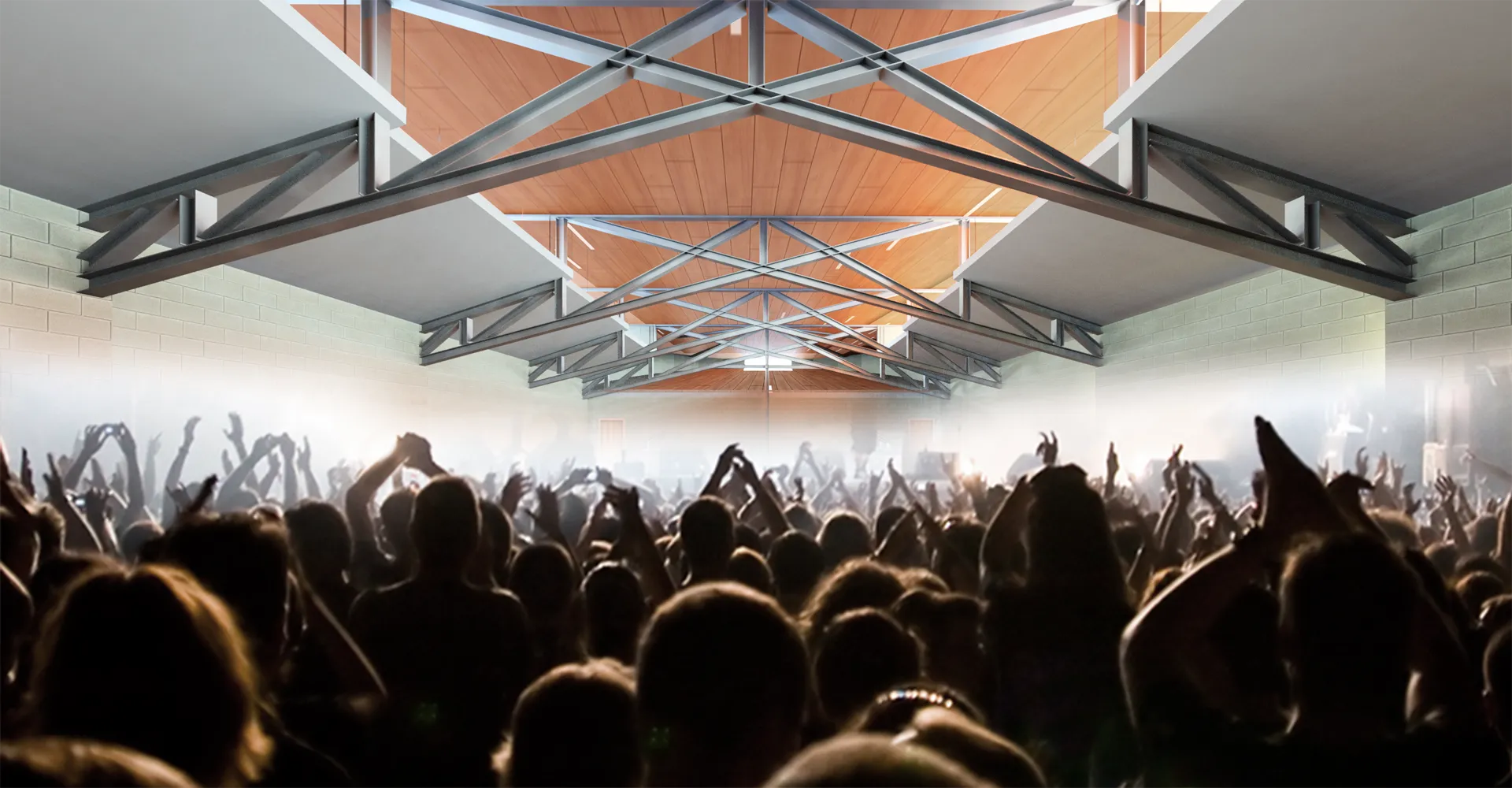
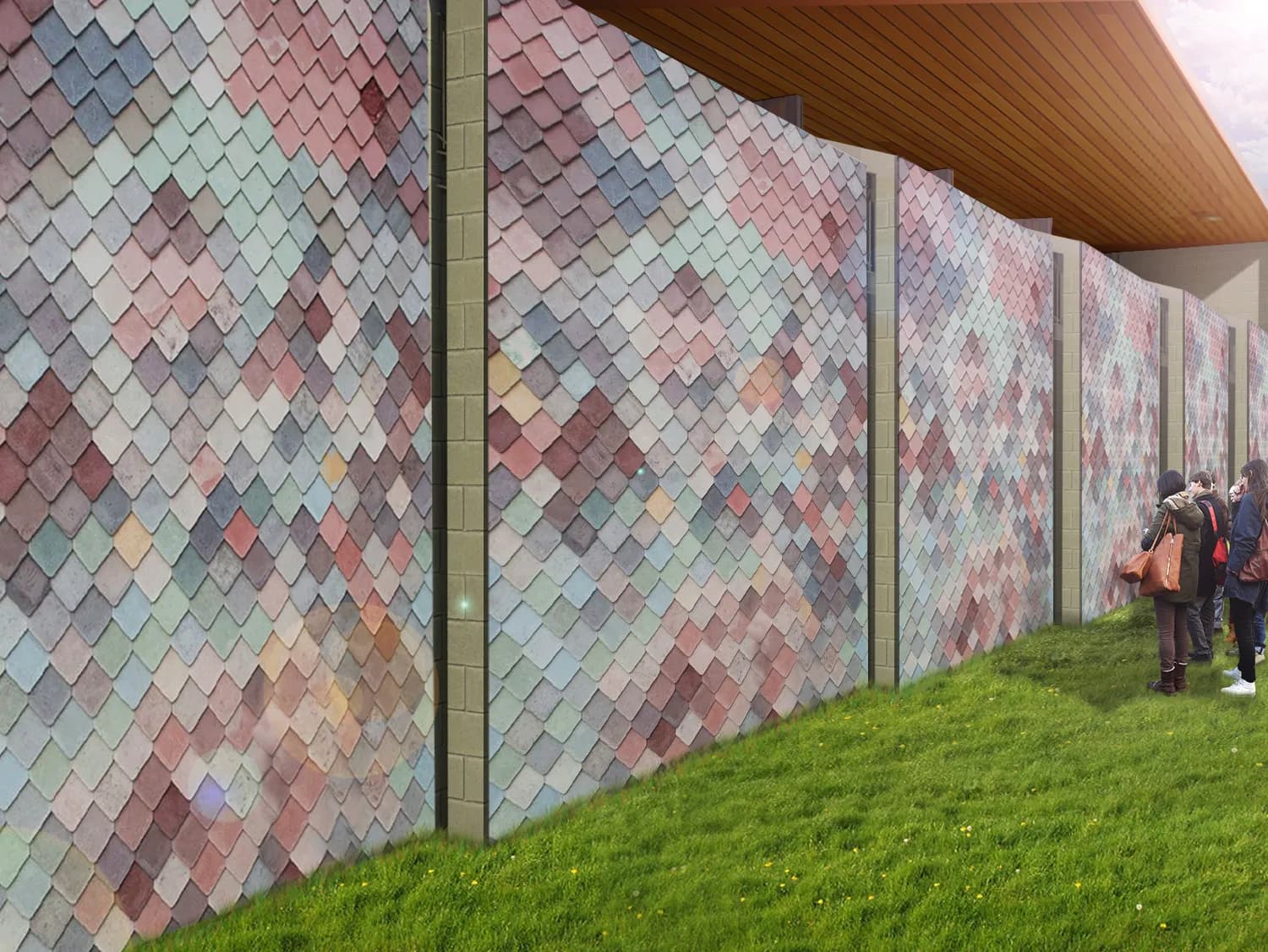
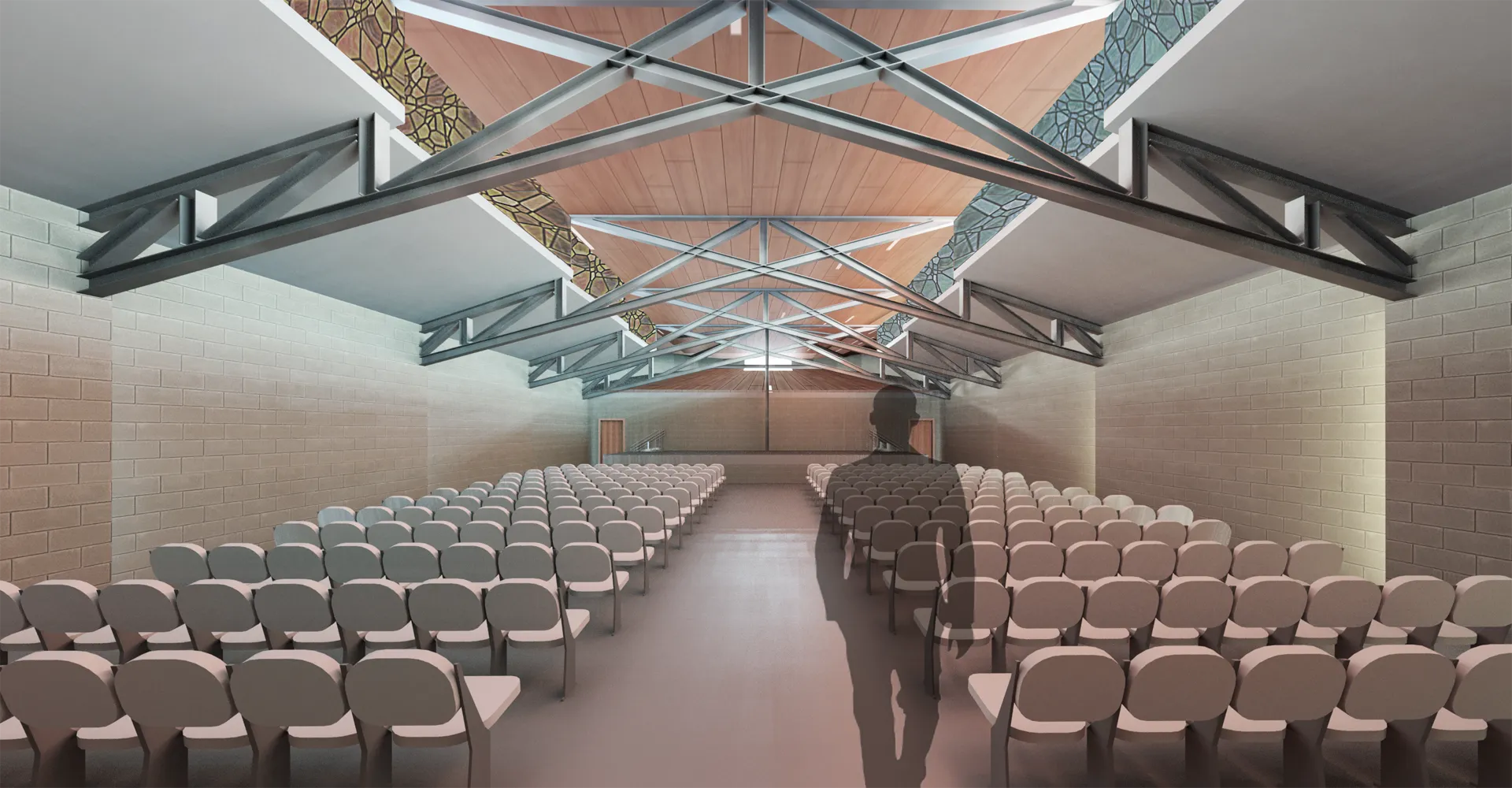
Amoveo Group envisioned the Zacamil Community Center as both social infrastructure and a self-supporting enterprise. The roughly five-thousand-square-foot program combines classrooms for English, health, business, leadership, family, and faith-based education with a call center, kitchen, recreation, church use, and housing for students, staff, and volunteers. Revenue from the call center was intended to support operations while creating local employment, particularly important in a community facing violence, family separation, and limited opportunity.
The architectural thesis uses daylight as an organizing tool, shaping mood, orientation, and the transitions between education, work, worship, and rest. The design book brings together climate research, programming, design development, construction thinking, and a final scheme. Its central idea is integration: education and community programs become more durable when the building also creates a practical economic engine capable of helping sustain them.